Building a Foundation of Care
The Tess Waterlily Foundation is a newly formed, self-started organisation built on the belief that every individual deserves access to effective, compassionate, and holistic care. With years of experience and a wealth of knowledge, we bring together a pool of experts and consultants to deliver customised solutions that meet the unique needs of each client.
Our Specialisation
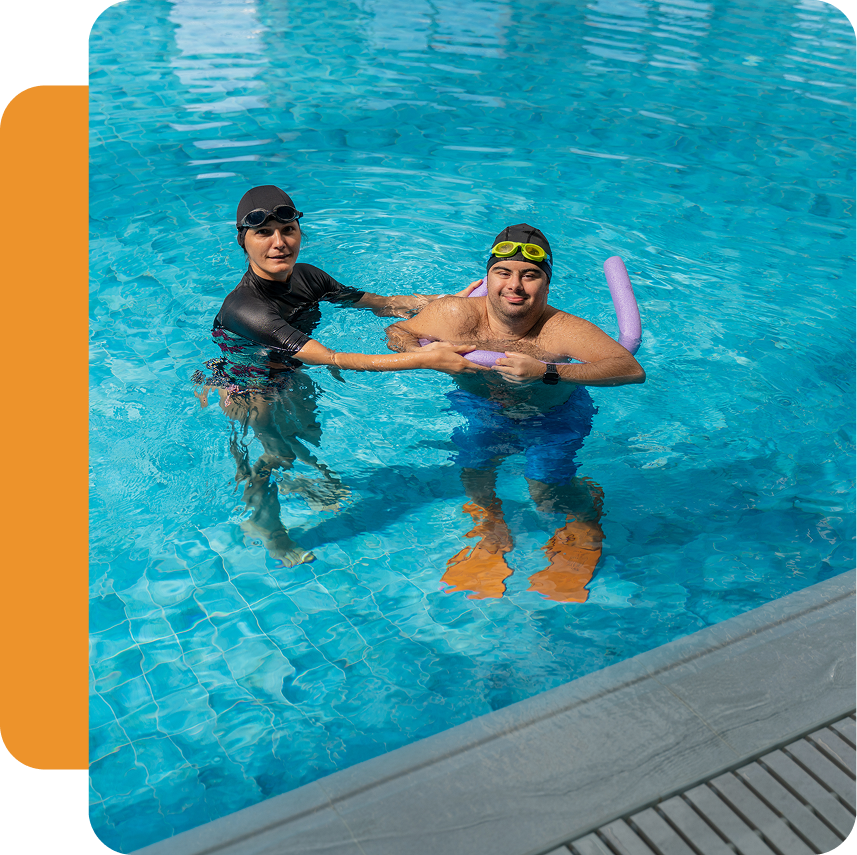
We specialise in rehabilitation services, with a strong focus on hydrotherapy and aquatic therapies, ensuring that care is both person-centred and community-driven. Our mission is to transform challenges into opportunities—empowering individuals to live healthier, more fulfilling lives.
Our Vision
A world where high-quality rehabilitation services, including hydrotherapy and aquatic therapy, are accessible, affordable, and inclusive for all communities across Australia.
Our Mission
To promote holistic health and rehabilitation by:
⮞ Providing comprehensive, person-centred care that supports both body and mind.
⮞ Expanding access to hydrotherapy and aquatic therapies for diverse community groups.
⮞ Bridging the gap between policy, practice, and individual needs through research and innovation.
⮞ Empowering individuals to achieve their highest level of wellness and independence.
Our Core Values
Compassion
We treat every individual’s needs as if they were our own.
Integrity
We ensure care methods are secure, ethical, and uninterrupted.
Accessibility
Everyone deserves access to affordable, high-quality rehabilitation services.
Innovation
We use data-driven research and community insights to shape effective solutions.
Collaboration
Working together with clients, families, and communities to create lasting impact.
What Happens to Your Donations
Every contribution directly supports our mission to make rehabilitation and aquatic therapies more accessible. Donations help us to:
⮞ Fund community-based outreach initiatives.
⮞ Provide subsidised care for individuals who may not otherwise afford therapy.
⮞ Support research and innovation to improve rehabilitation services.
⮞ Train and equip our expert consultants and practitioners.
⮞ Expand services to reach more communities across Australia.
Why Swimming Accessibility Matters
Swimming is more than just a sport—it’s:
⮞ A life skill for safety and independence.
⮞ A form of therapy for physical and mental health.
⮞ A community connector, bridging people of all abilities.
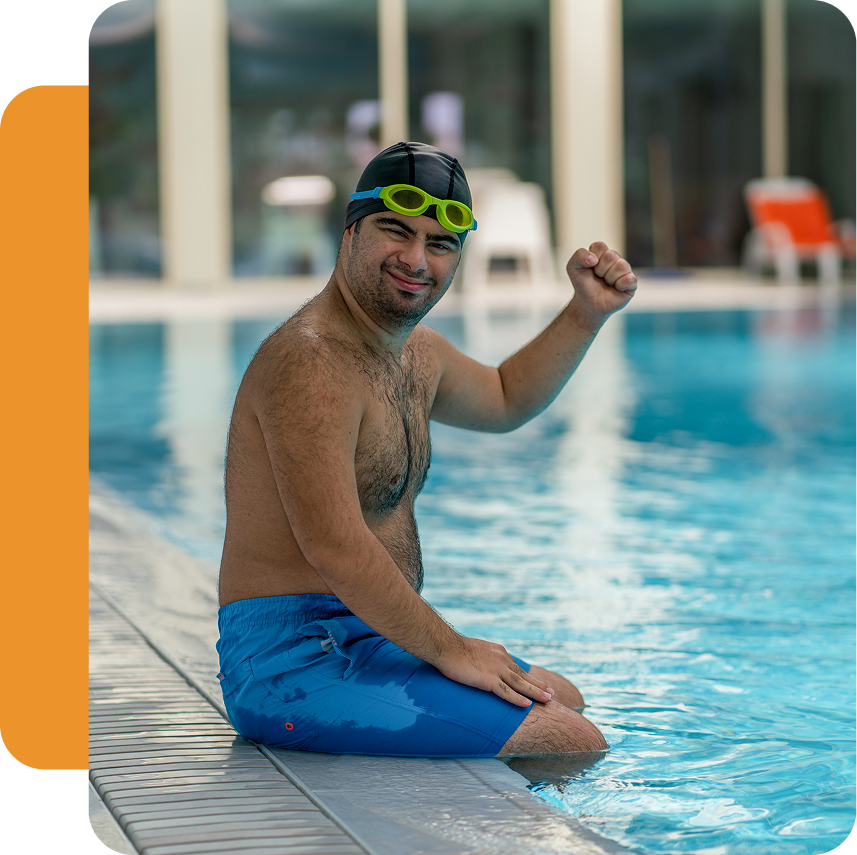
Yet, many pools remain inaccessible due to steep ladders, narrow entryways, or lack of adaptive equipment. We advocate for barrier-free swimming because everyone deserves to feel the freedom of moving through water.

Features of Inclusive Swimming Pools
⮞ Zero-depth (beach-style) entry
⮞ Pool lifts and transfer systems
⮞ Accessible changing rooms and showers
⮞ Adaptive aquatics equipment
⮞ Sensory-friendly environments
Swimming History & Fun Facts
Swimming has a rich history that stretches back thousands of years:
The first swimming goggles were crafted from tortoise shells, highlighting early innovation in aquatic equipment.
Swimming made its Olympic debut in 1896, marking its recognition as a competitive sport on the global stage.
The earliest records of swimming date back to Egyptian drawings from 2500 BC, with evidence in the Stone Age “Cave of Swimmers” paintings even earlier.
Benjamin Franklin invented swim fins to enhance efficiency and speed in the water.
The oldest known concrete swimming pool was constructed in Texas in 1915.
Breaststroke is recognised as the oldest recorded swimming stroke, tracing back centuries of practice.
Synchronised swimming gained popularity in the 1940s and 1950s through actress Esther Williams’ “aqua musicals”, blending performance and athleticism.
The White House added an outdoor swimming pool in 1975 under President Gerald Ford.
The first documented swimming races took place in Japan in 36 BC.
The U.S. National Swimming Pool Institute, founded in 1956, continues to establish and maintain safety standards for pools today.
Health & Wellness Benefits of Swimming
⮞ Burns 30–40% more calories than running or biking.
⮞ Builds heart and lung strength while being gentle on joints.
⮞ Reduces stress, depression, and anxiety.
⮞ Improves asthma and breathing conditions.
⮞ Detoxifies the skin (especially in saltwater).
⮞ Creates a sense of mindfulness and relaxation.
In fact, according to the Heart Foundation of Australia, swimmers reduce their risk of cardiovascular disease by 41% compared to sedentary individuals.
Swimming in Australia: Health & Environment
Australia has over 10,000 beaches and around 1,200 public swimming pools, making aquatic culture central to community life. Swimming connects Australians to their environment while promoting health, but it also comes with responsibility:
⮞ Always swim between the red and yellow flags at patrolled beaches.
⮞ Practice eco-friendly swimming (reef-safe sunscreen, no littering, minimal disruption to marine life).
⮞ Support sustainable pool designs that conserve water and energy.
By protecting our waterways, we ensure that swimming remains safe, sustainable, and accessible for generations to come.
We Champion Inclusion
When you give, you’re not just making a donation—you’re changing lives by helping individuals regain strength, independence, and confidence through rehabilitation.